Hydraulic Cylinders in Excavators --
Power, Precision and Reliability in Every Movement
Hydraulic cylinders are among the most critical components of an excavator. They transform hydraulic energy into powerful linear motion, enabling the machine to lift, dig, tilt and maneuver with maximum force and precision. Without hydraulic cylinders, modern earthmoving operations would simply not be possible.
What Are Hydraulic Cylinders Used For?
In an excavator, hydraulic cylinders are responsible for controlling the main working movements:
- Boom cylinders – lift and lower the boom
- Arm (stick) cylinders – move the arm in and out
- Bucket cylinders – control bucket rotation and digging force
- Additional attachment cylinders – operate special tools and attachments
They generate the immense force required to handle heavy loads, break compacted soil, and perform precise positioning tasks — all while ensuring smooth and controlled operation.
How Do Hydraulic Cylinders Work?
A hydraulic cylinder operates based on a simple yet highly efficient principle:
- Hydraulic fluid is pumped into the cylinder chamber.
- The pressure builds up inside the cylinder.
- This pressure pushes the piston, creating linear motion.
- The piston rod transfers this force to the machine component (boom, arm, bucket).
By precisely controlling fluid pressure and flow, the excavator achieves accurate, powerful and repeatable movements. High-quality seals, precision-machined surfaces and robust materials ensure durability even under extreme working conditions.
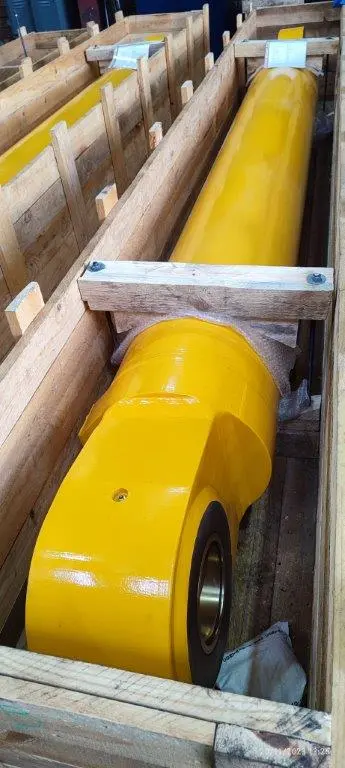
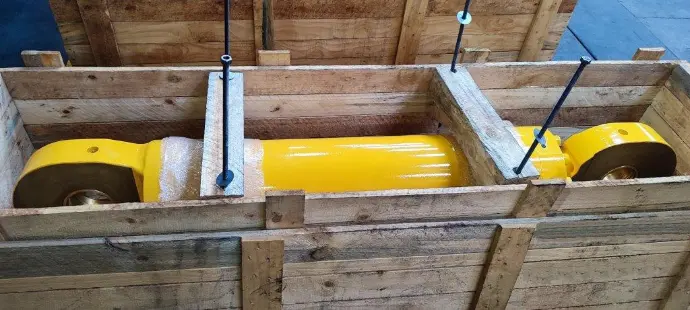
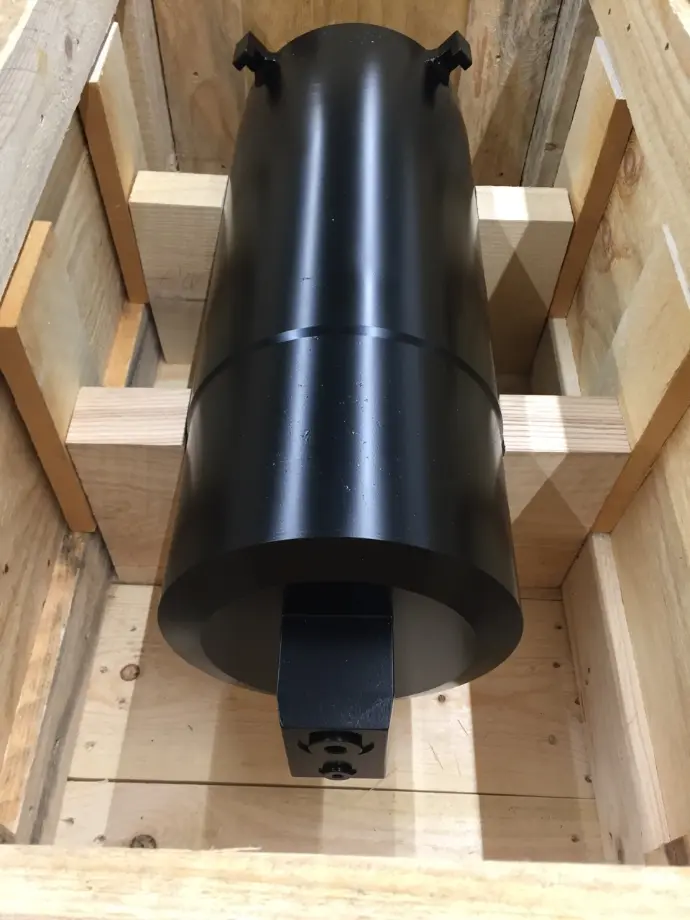
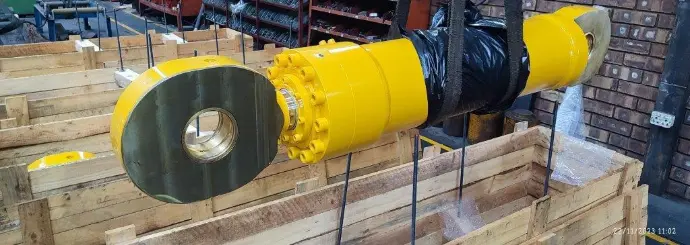
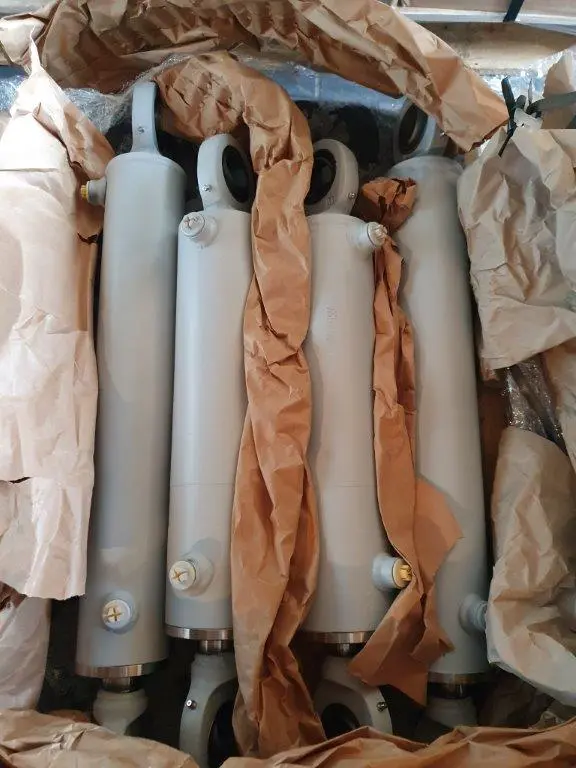
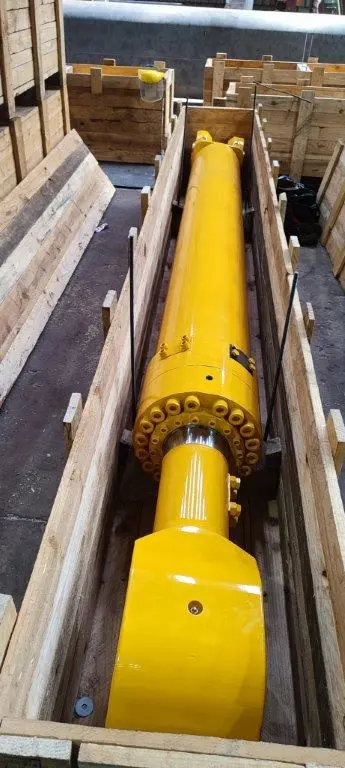
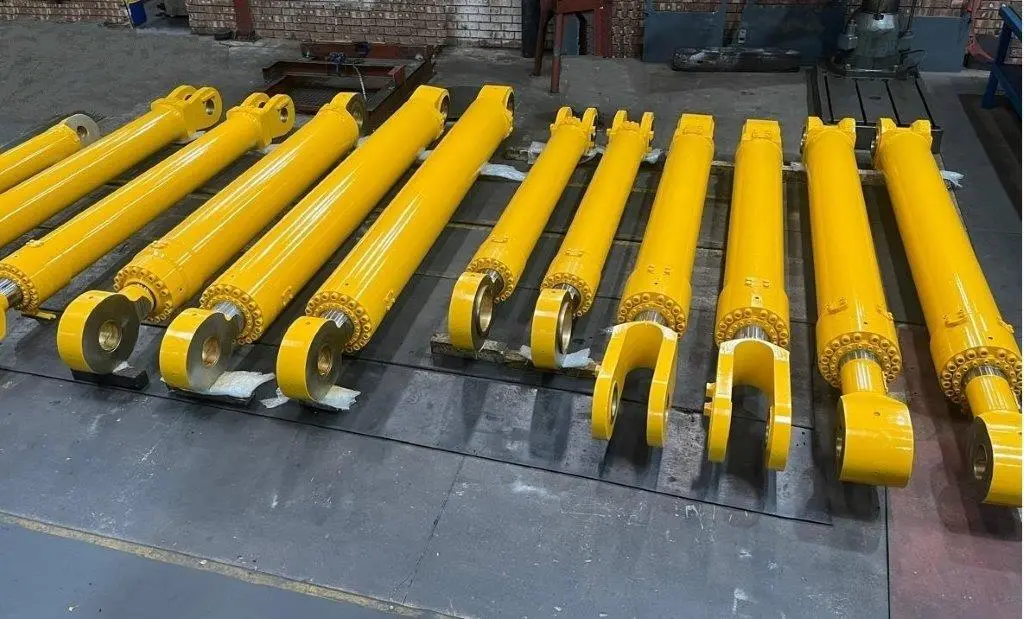
Engineered for Performance
High-performance hydraulic cylinders are the backbone of every excavator. Whether in demanding construction sites, mining operations, or cold climate applications, they deliver the strength, precision and reliability required for modern heavy machinery.
By combining engineering excellence with application-specific design, hydraulic cylinders ensure that your equipment performs efficiently — wherever it operates.
Key performance factors include operating pressure rating, piston rod surface quality, sealing configuration and fatigue resistance under cyclic loading. These parameters directly influence service life and operational reliability in mining applications.
How our engineering works
1
Operating conditions analysis
Load spectrum, pressure levels, duty cycle and environmental factors defining cylinder requirements.
2
System-level engineering
Cylinder design aligned with excavator geometry, stroke parameters and hydraulic system integration.
3
Manufacturing & sourcing
Controlled production and verified heavy-duty suppliers meeting mining-grade quality standards.
4
System delivery
Application-ready cylinders prepared in accordance with defined technical specifications.
Special Considerations in Cold Regions
Operating hydraulic cylinders in cold climates presents unique challenges. Low temperatures directly affect hydraulic performance and material behavior.
Key factors to consider include:.
Hydraulic Oil Viscosity
At low temperatures, hydraulic oil becomes more viscous (thicker), which can:
- Slow down response times
- Increase internal resistance
- Raise system pressure peaks
- Cause additional wear
Solution: Use hydraulic fluids specifically designed for low-temperature applications and ensure proper warm-up procedures.
Seal Performance
Seals can harden or lose elasticity in freezing temperatures, leading to:
- Increased leakage risk
- Reduced efficiency
- Higher wear rates
Solution: Use cold-resistant seal materials engineered for sub-zero environments.
Material Brittleness
Steel components may become more brittle in extreme cold, increasing the risk of cracking under impact loads.
Solution: High-quality material selection and proper heat treatment are essential for reliable performance.
Condensation and Moisture
Temperature fluctuations can lead to condensation inside hydraulic systems, potentially causing corrosion or oil contamination.
Solution: Proper maintenance intervals and moisture-controlled storage conditions are critical.
Reliability Under Extreme Conditions
For excavators operating in cold regions such as Northern Europe, Canada, or Arctic environments, hydraulic cylinders must be engineered for durability, sealing integrity, and temperature resilience.
Precision manufacturing, high-grade materials, advanced surface treatments and climate-optimized sealing systems ensure:
- Long service life
- Maximum operational safety
- Reduced downtime
- Consistent performance in extreme environments
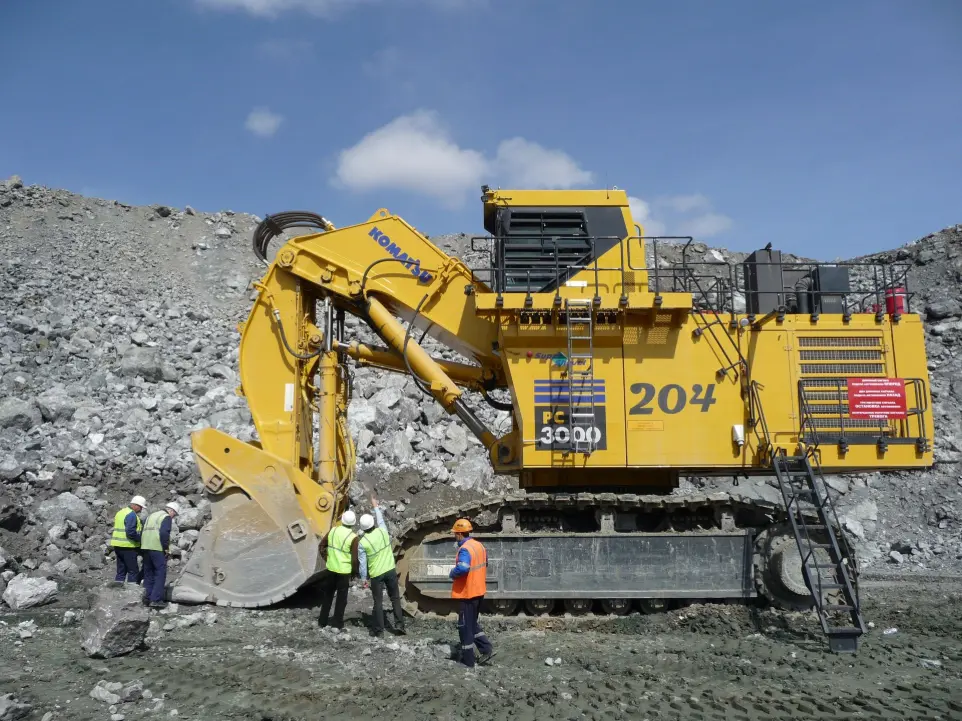
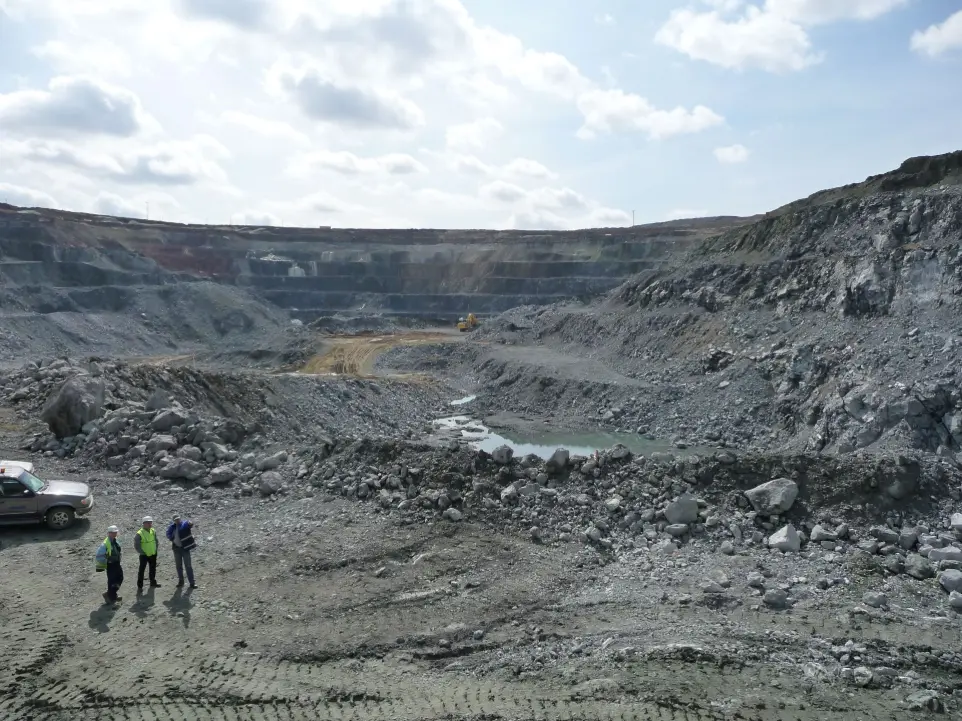
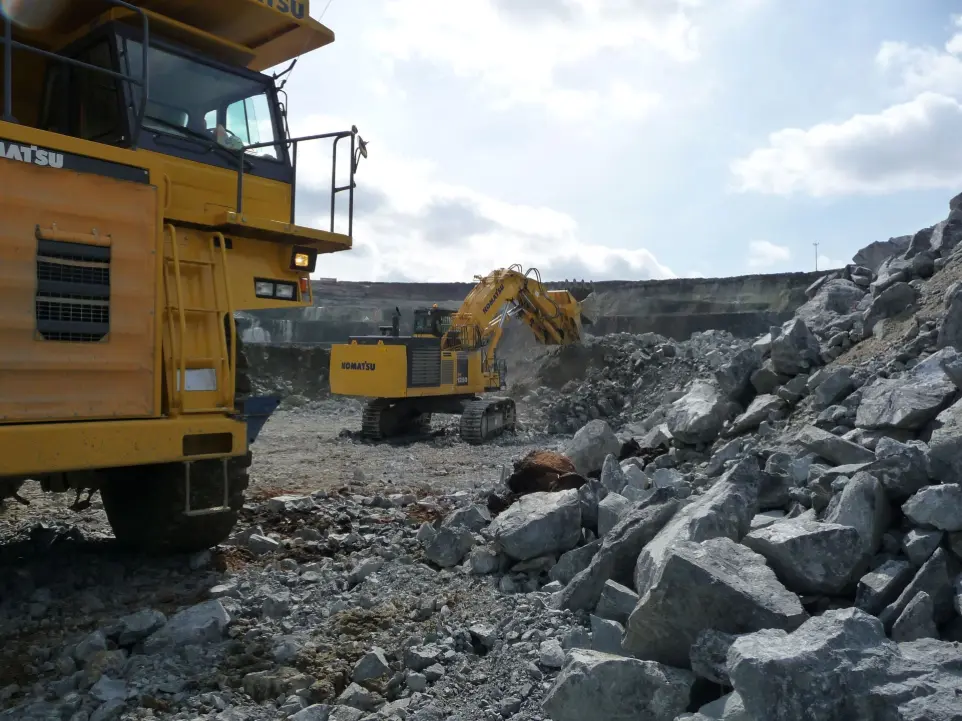
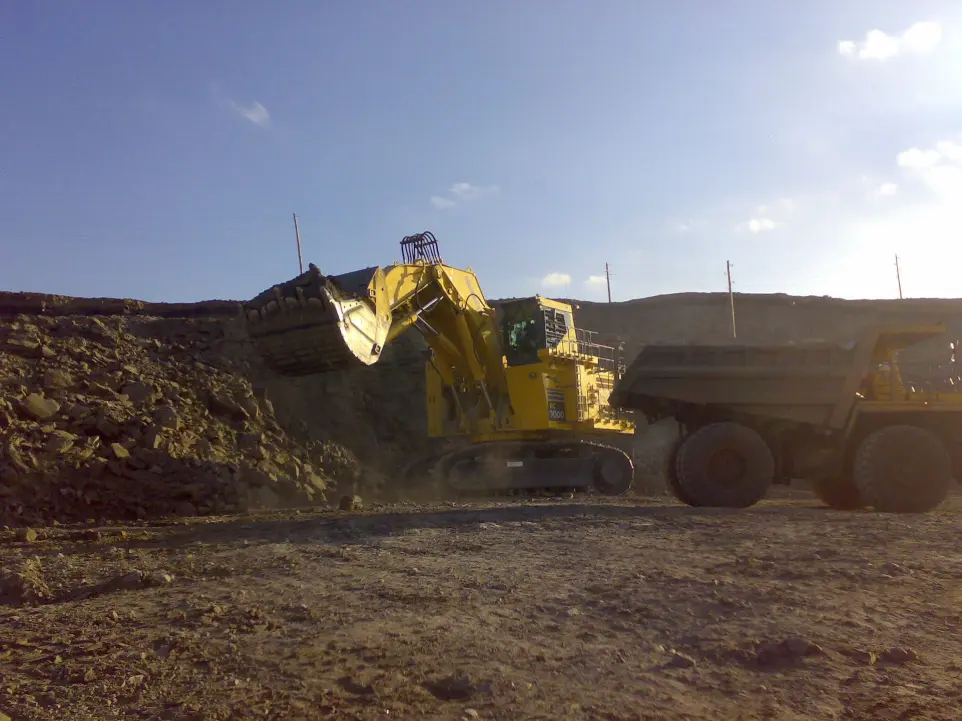
Order Hydraulic Cylinders for Mining Excavators
We verify dimensional compatibility, pressure capacity and mounting configuration to ensure reliable cylinder performance in heavy-duty applications.
Send your OEM references, cylinder drawings or part numbers — our engineering team will handle technical matching and specification alignment.
Hydraulic Cylinders FAQ
Key technical questions related to cylinder design, compatibility and heavy-duty mining applications.
Our cylinders are dimensionally aligned with OEM mounting interfaces and operating parameters. Pressure rating, stroke, bore diameter and sealing configuration are validated against defined system requirements.
Yes. Based on OEM reference, machine model or technical data (bore, stroke, mounting type), we verify dimensional compatibility and operating requirements.
To ensure correct matching, we typically require:
- OEM part number or drawing
- Bore and stroke dimensions
- Mounting type and pin diameter
- Operating pressure range
- Machine model and application
Yes. Components are selected and manufactured to withstand high cyclic loads, pressure peaks and abrasive operating environments typical in mining operations.
Yes. We can specify cold-resistant seal materials and consider hydraulic oil behavior to ensure reliable performance in sub-zero conditions.
We assist with compatibility verification for various machine generations and fleet configurations, subject to available technical documentation.

OEM-Level Dimensional Accuracy
Engineered for High-Load Operation

Verified Heavy-Duty Manufacturing

Reliable Global Delivery